The print method can make or break the shirt, even when the artwork is excellent. A design that looks sharp on a screen may lose detail on a brushed fleece, feel too heavy on a lightweight tee, or fail to reproduce consistently when the order moves from one sample to a production run. Fabric, garment color, color count, order volume, hand-feel, durability, and finish have to be decided together.
The different types of shirt printing suit different production problems. Screen printing handles repeatable bulk graphics. Direct-to-garment printing preserves photographic detail on suitable cotton garments. Direct-to-film expands fabric flexibility, while heat transfer and vinyl support personalization. Sublimation works for synthetic all-over designs, embroidery creates a raised branded finish, puff printing adds dimension, and discharge printing produces a soft vintage result. Specialty and water-based inks add functional or tactile effects, but they also introduce additional testing and documentation requirements.
This guide compares each method as a production decision, not just a technique definition. It covers operation, fabric compatibility, artwork preparation, scale economics, tactile result, limitations, and factory handoff requirements. Genpire is relevant here because its prompt- and reference-based product creation, multi-view concepts, technical sketches, and Agentic Tech Pack workspace can help teams communicate print placement and production assets more clearly from concept to factory.
Table of Contents
- 1. Screen Printing Silk Screen
- 2. Direct-to-Garment DTG Printing
- 3. Heat Transfer and Vinyl Cutting
- 4. Sublimation Printing
- 5. Embroidery
- 6. Puff Printing Puff Ink and Expanded Ink
- 7. Discharge Printing
- 8. Specialty Inks and Water-Based Eco-Friendly Inks
- Comparison of 8 Shirt Printing Methods
- Choose the Method Before You Finalize the Artwork
1. Screen Printing Silk Screen
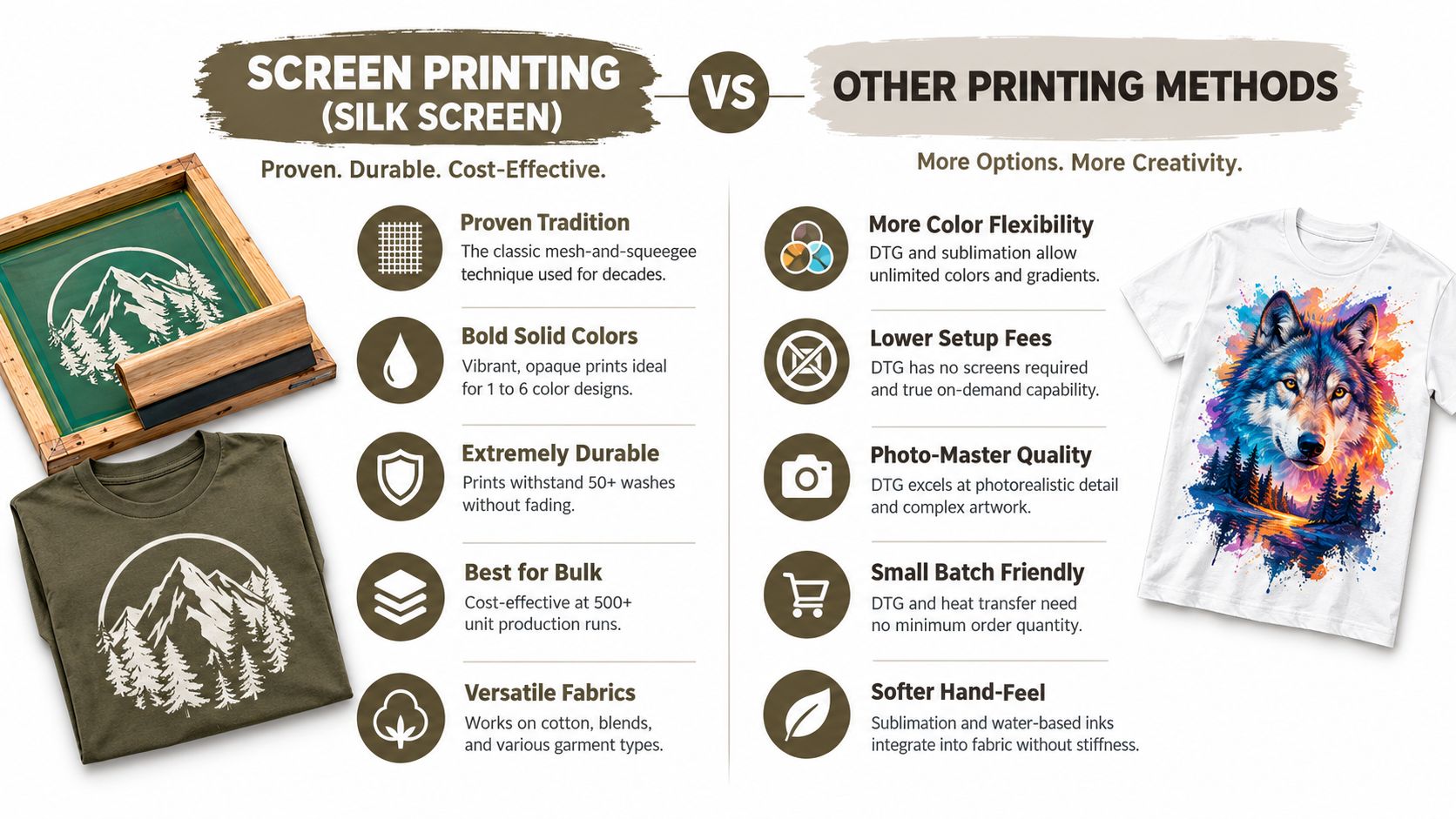
Screen printing remains the dependable choice when the same bold graphic needs to be reproduced across a substantial run. A printer pushes ink through a mesh screen onto the garment, then cures each printed layer. Every color requires a separate screen, so the method rewards artwork with clear spot-color separations rather than endless gradients or photographic transitions.
The setup cost changes the economics. Technical benchmarks place screen preparation at roughly $25 to $50 per color, and a practical comparison puts the break-even point against DTG at approximately 62 units for a two-color design. Above 300 units, a two-color screen-printing job may cost two to three times less than DTG, according to the decorated-apparel production research. Those figures are benchmarks, not a quote. Blank garment cost, print size, location, ink system, setup, and supplier capacity still affect the final price.
Where screen printing works best
Screen printing suits bold, opaque artwork on cotton, blends, fleece, denim, and canvas. It's a strong fit for Gildan bulk apparel, concert merchandise, corporate uniforms, promotional wear, athletic team garments, and repeat brand graphics. Properly cured plastisol prints can withstand 50 or more home laundering cycles with limited visible degradation, which makes curing and wash testing part of the production specification rather than a printer afterthought.
A two-color band shirt with a large chest graphic is a better screen-print candidate than a detailed nature scene with many tonal transitions. Keep the artwork clean, separate each spot color, and decide early whether the print needs an underbase on a dark garment.
Practical rule: Choose screen printing when repeatability and long wear matter more than unlimited color freedom.
For a factory handoff, document the print method, color separations, ink recommendation, garment composition, placement, dimensions, and inspection tolerance. Genpire's clothing manufacturer workflow can support that handoff with multi-view technical sketches and production-focused assets.
2. Direct-to-Garment DTG Printing
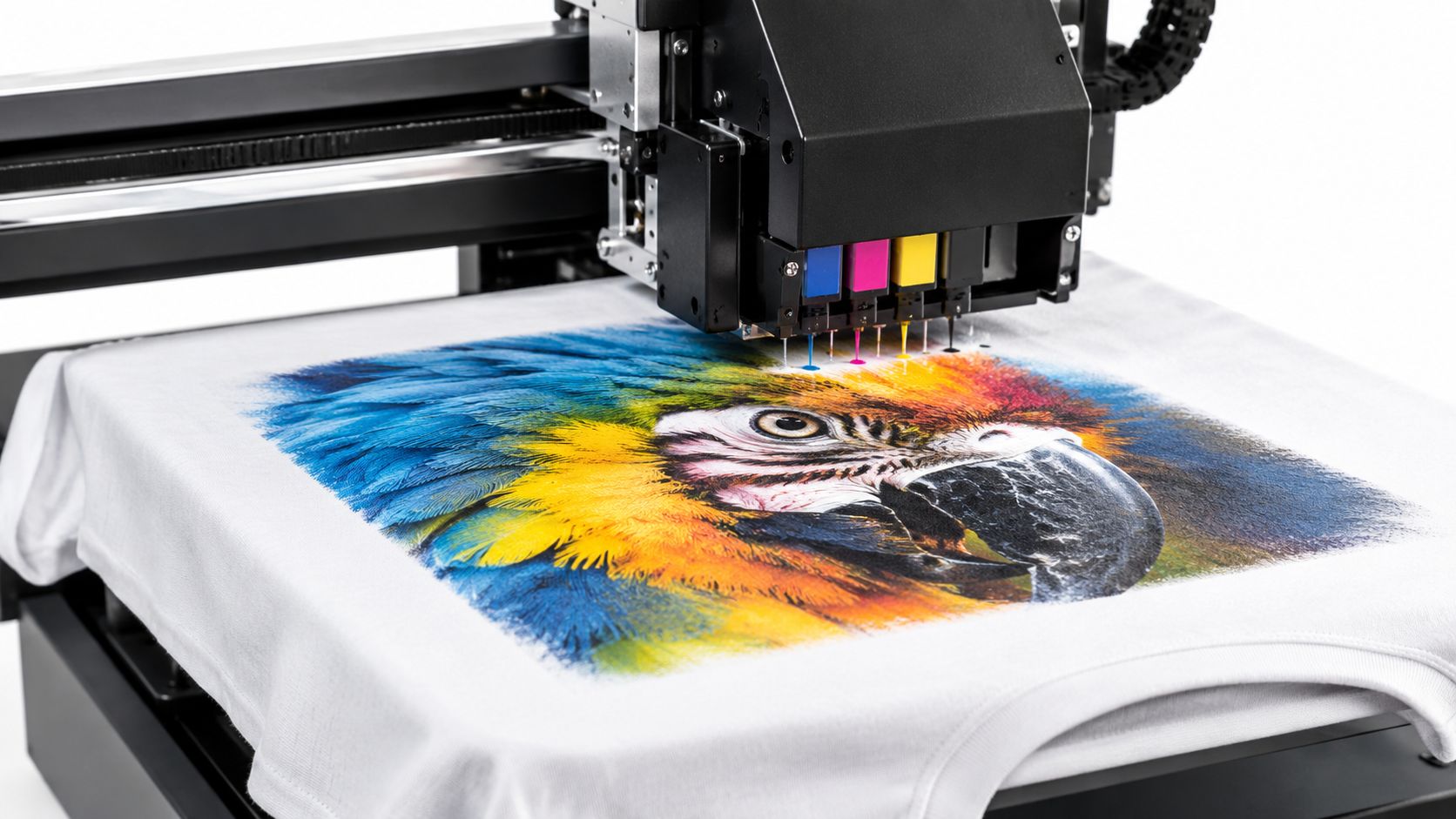
Direct-to-garment printing applies ink directly to a finished garment with a specialized inkjet printer. It removes much of the screen setup burden, allowing a supplier to print complex artwork without building a separate physical screen for every color. That makes DTG useful for photographic graphics, gradients, fine tonal transitions, and short runs.
The strongest substrate is generally 100% cotton or cotton-rich fabric. The garment's fiber content, surface treatment, color, pretreatment, and curing process all affect the result. White ink is especially important on dark garments because it supports color opacity, but dense white areas can also affect the print's hand-feel and wash performance. DTG isn't a universal solution for every blank in a catalog.
The right DTG production scenario
A limited artist collaboration, a bespoke shirt, a print-on-demand listing, or a new e-commerce design being tested before a bulk commitment can all suit DTG. A supplier can print one complex concept without forcing the brand to prepare a full screen separation package or hold a large inventory of printed stock. The trade-off is that unit economics usually become less attractive as the same design moves into a substantial repeat run.
DTG also has a more specific durability risk than many simple comparisons suggest. White ink on dark garments is vulnerable to density loss, particularly after repeated washing. One benchmark reports visible vulnerability after approximately 20 to 25 washes, while the outcome depends heavily on pretreatment, ink load, curing, garment quality, and care conditions. That's why a physical sample and wash test matter before a brand commits to a program.
Prepare high-resolution artwork with transparent background control, defined placement, and a clear instruction for the white underbase. Don't assume a digital mockup proves production readiness. Check the actual blank, because a smooth white cotton tee and a textured cotton-rich fleece can interpret the same file differently.
For teams deciding between a test run and a larger manufacturing commitment, Genpire's print-on-demand versus manufacturing guide provides a relevant workflow context. The production decision should still begin with the garment and artwork, not with the software.
3. Heat Transfer and Vinyl Cutting
Heat transfer is a family of processes rather than one single finish. A printed transfer or cut vinyl design is positioned on the garment, then bonded with heat and pressure. Vinyl cutting starts with colored film that a plotter cuts into letters, numbers, or shapes. Printed transfers can handle more detailed artwork, while cut vinyl is strongest when the design depends on clean, bold geometry.
This flexibility makes heat transfer practical for athletic wear, personalized gifts, licensed merchandise, sports team names and numbers, and small business apparel. A team can order a common shirt design and add individual names later. A small brand can test a placement without committing to a large screen-printing setup. The method also works across cotton, polyester, and blends when the transfer material matches the substrate.
Where the method loses efficiency
Vinyl becomes difficult when artwork contains thin lines, intricate internal detail, or many separate colors. Each layer may require cutting, weeding, alignment, and pressing. Printed transfers remove some of that manual complexity, but they still create a surface layer with a different hand-feel from an ink absorbed into the fabric.
Press control is the production variable that matters most. The supplier should specify the transfer type, temperature, dwell time, pressure, garment composition, and placement. A pre-press can remove moisture and surface irregularities, but the exact settings must come from the transfer and garment combination. Mirror artwork where the transfer process requires it, and approve a physical sample before the run.
A personalized shirt can look simple to the customer while requiring more handling than a repeated bulk graphic. Price the labor and inspection steps, not just the transfer material.
For a factory-ready file, separate the base graphic from variable elements such as names or numbers. Show the print location on a front, back, and side technical view. Define whether the finish should be matte, glossy, reflective, stretchable, or soft, because “heat transfer” alone doesn't communicate enough production information.
4. Sublimation Printing
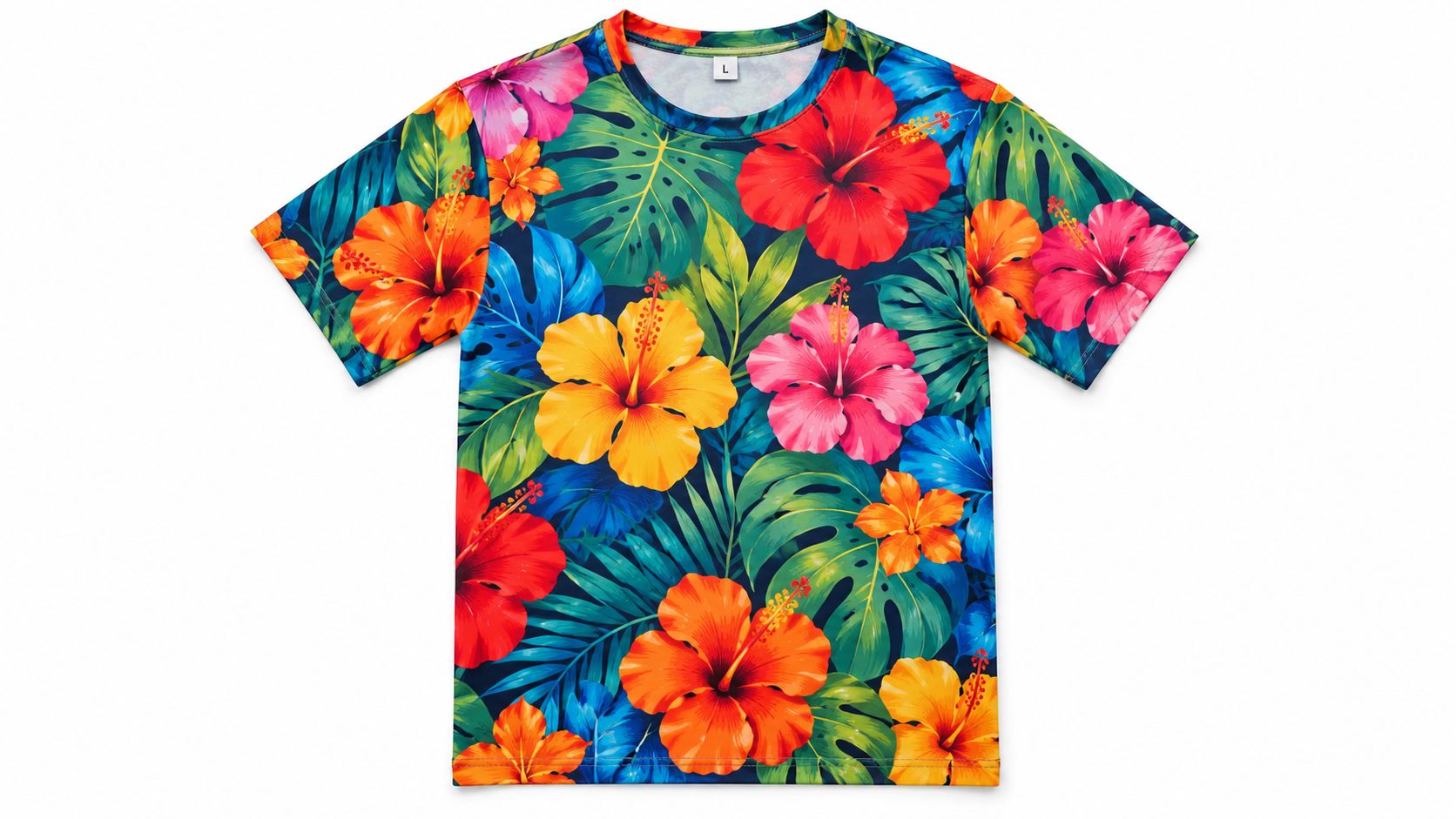
Sublimation converts dye into a gas under heat so it can infuse into suitable synthetic fibers. The result has no raised ink layer, which is why sublimation is valuable for designs that need a lightweight, flexible, almost invisible finish. It can support full-color graphics, gradients, and edge-to-edge artwork across performance garments and sportswear.
The substrate is the deciding factor. Sublimation is generally intended for polyester and approved synthetic materials, often in light base colors. It isn't a suitable default for a dark cotton tee because the dye doesn't behave like an opaque coating. A buyer who approves a sublimation concept without confirming fiber content and garment color can receive a technically correct print that looks nothing like the intended artwork.
The production advantages
Sublimation is especially useful for polyester jerseys, activewear, event sportswear, technical apparel, and coordinated accessories such as duffel bags. The dye becomes part of the compatible fiber rather than sitting on top, so the garment retains a smooth surface and avoids the cracking or peeling associated with some surface applications.
All-over artwork introduces its own risks. The pattern must account for seams, panels, stretch, cut lines, and registration. A graphic that looks centered on a flat digital template may shift visually when it crosses a shoulder or wraps around a side seam. The tech pack should identify the printable panels, seam allowance behavior, base color, polyester requirement, and color intent.
Calibrate the press with the supplier's equipment and material combination. Insufficient heat or uneven pressure can reduce color intensity or create inconsistent coverage. Use artwork prepared for the printer's color workflow, and request a physical panel or finished-garment sample rather than approving only a flat rendering.
A polyester sports jersey with a full tropical pattern is a strong sublimation scenario. A heavyweight black cotton streetwear tee with a small chest logo is not. That distinction is more useful than calling sublimation just “high quality.”
5. Embroidery
Embroidery builds the design with thread stitched directly into the garment. The result is raised, tactile, and visually associated with premium branding. It's a natural fit for corporate polos, workwear, golf shirts, hats, jackets, team apparel, and garments where a small logo needs to communicate durability and structure.
The workflow begins with digitization, rather than merely placing an image on a shirt. The artwork must be converted into stitch paths that account for fabric movement, thread direction, density, underlay, and edge compensation. A fine illustration may look excellent as a print but collapse when translated into thread. Small text, narrow gaps, and tiny internal shapes need particular scrutiny.
Embroidery is a material decision
A structured polo or canvas jacket can support a substantial embroidered logo. A lightweight, drapey tee may pucker or distort if the design is too dense. The supplier may need backing, stabilizer, or a different needle and thread combination. Metallic thread, for example, requires more specialized handling than standard thread.
Use simple shapes and deliberate color blocking. A chest logo with clear lettering usually transfers better than a detailed photographic badge. Document the finished dimensions, stitch direction, thread colors, placement, backing expectations, and acceptable puckering tolerance. Show the design on the actual garment silhouette so the factory can judge scale and balance.
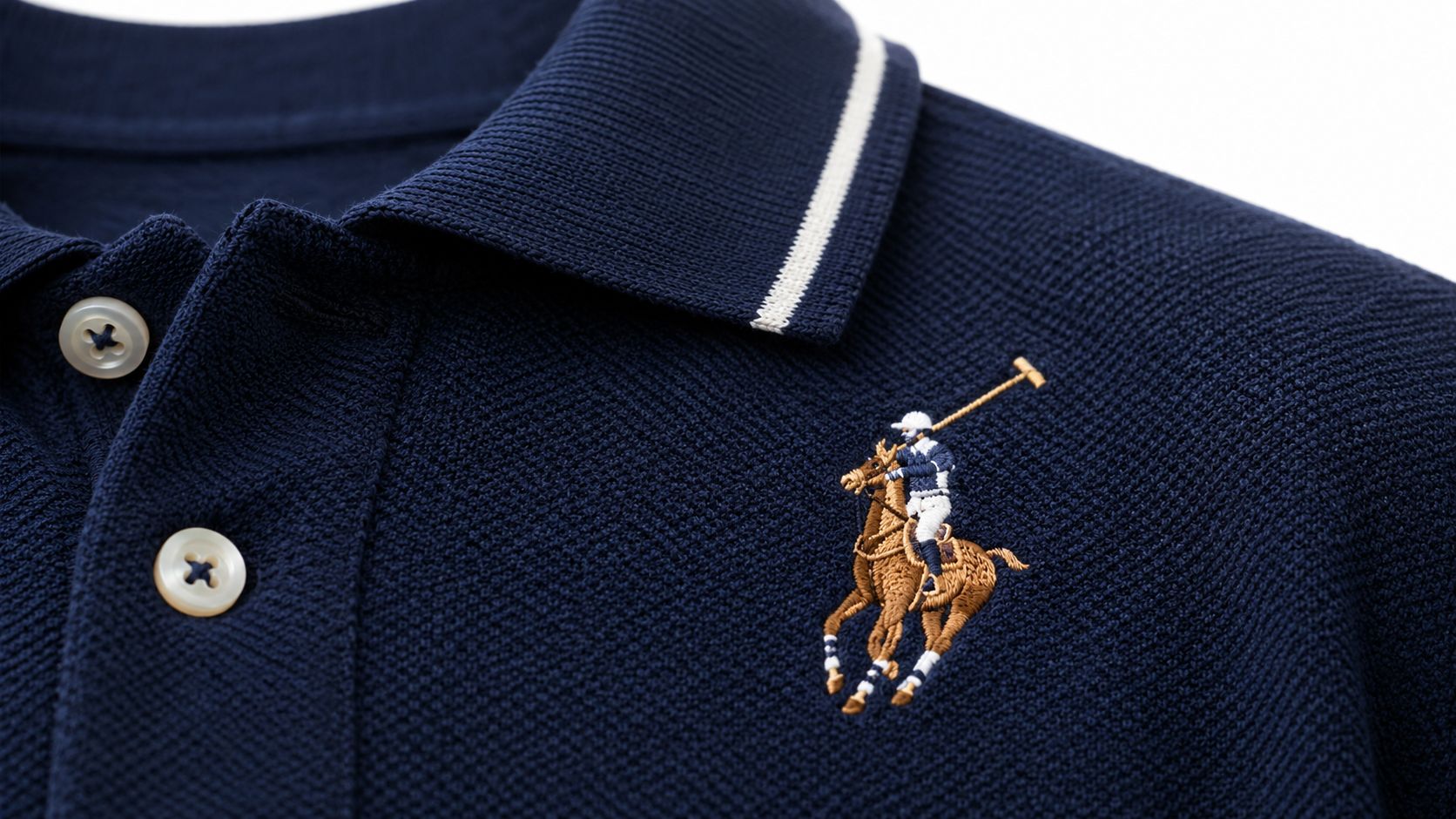
Embroidery isn't a higher-quality version of printing. It's a different construction method, and the best result comes from artwork designed for thread from the start.
A golf brand using a small left-chest mark, a restaurant outfitting staff in polos, or a sports club branding caps may prefer embroidery because the raised finish reinforces the product positioning. A large full-front illustration generally belongs in a print workflow instead.
6. Puff Printing Puff Ink and Expanded Ink
Puff printing uses an ink formulated to expand when heated, creating a raised, cushioned surface. It can give a simple wordmark or graphic a dimensional streetwear character without adding a separate patch or sewn component. The effect is visual and tactile, so the viewer experiences the design through both sight and touch.
Puff ink works best with large, uncomplicated shapes. Fine lines, tight counters, small type, and crowded details can close up as the ink expands. A broad logo on a heavyweight tee has room to show the effect. The same logo reduced to a small sleeve placement may lose definition and appear uneven.
Control the layer sequence
Many suppliers combine standard ink and puff ink to create contrast. A flat color can establish the base graphic while puff sits on a selected letter or symbol. That treatment demands clear layer separation in the artwork and a production note identifying which areas should expand.
The final puff layer generally needs careful curing control. Too little heat can leave the effect underdeveloped and compromise durability. Too much heat can change the height or flatten the intended texture. A sample should establish the acceptable expansion, edge definition, color appearance, and hand-feel before bulk production.
A limited-edition collector shirt with a raised logo is a good puff candidate. A detailed photographic graphic is not. The method adds personality when used selectively, but it can make a large design feel heavy or visually crowded if every element receives the same treatment.
Specify the garment weight and fiber content, the puff areas, the standard ink areas, the desired height or visual relief, the curing requirements, and the inspection standard. Ask the factory to return a sample that shows the effect at the final production size. A digital mockup can communicate intent, but it can't prove how the expanded ink will sit on the chosen fabric.
7. Discharge Printing
Discharge printing uses a chemical system to remove or alter the existing dye in a colored garment, leaving a lighter design area. Instead of building a thick layer on top of the shirt, the process can create a soft, breathable result that feels integrated with the fabric. That makes it attractive for vintage-inspired apparel, premium casualwear, streetwear, band merchandise, and lifestyle collections.
The method depends strongly on the garment dye. 100% cotton and other suitable natural-fiber garments are generally the safest starting point, but not every dyed cotton blank reacts in the same way. A supplier should test the actual garment before production because dye chemistry, color, finish, and pretreatment can change the result.
Test the blank, not just the artwork
Discharge is useful when the design calls for a worn-in appearance rather than a bright, rubberized graphic. It can also be combined with pigment color for a tinted result. The visual character is part of the appeal, but it also means that slight variation may be more visible than it would be in a solid plastisol print.
A factory handoff should identify the fabric composition, garment dye requirements, discharge base, tint colors, artwork layers, ventilation expectations, and curing process. Suppliers also need appropriate chemical safety procedures and controlled production conditions. The brand shouldn't label the result “eco-friendly” without understanding the full chemistry, wastewater handling, garment composition, and finishing system.
Sample before scale: A discharge formula that works on one black cotton blank may not reproduce the same tone or softness on another blank with a different dye system.
A premium vintage tee with a soft tonal chest graphic is a sensible application. A bright corporate logo requiring strict color matching may be better served by another method. Discharge is strongest when its natural variation and soft hand-feel support the design rather than conflict with it.
8. Specialty Inks and Water-Based Eco-Friendly Inks
Specialty inks expand what a shirt can do beyond a standard flat graphic. Metallic inks add a reflective decorative surface, glow formulations create an effect in low light, reflective inks support visibility, and thermochromic inks respond to temperature. Water-based systems can produce a softer hand-feel, but the formula and curing process still need to match the fabric and equipment.
These effects are useful for limited-edition merchandise, safety apparel, interactive children's designs, premium collaborations, and sustainability-focused collections. A glow graphic on a music release can create a useful collectible feature. A reflective logo on workwear has a functional purpose. A thermochromic graphic needs a clear explanation of when and how the color change should appear.
Document performance, not just appearance
Specialty effects create more variables in sampling. Metallic detail may require a suitable mesh and careful registration. Reflective ink needs complete curing to perform consistently. Thermochromic artwork should define the intended activation range. Glow intensity depends on charging conditions and ambient darkness, so a product page shouldn't promise the same appearance in every environment.
Water-based inks also need process discipline. Screens can dry during production, and under-cured ink may wash out. The supplier should confirm the curing method, fabric compatibility, color result, wash expectations, and any required pretreatment. Environmental claims must stay specific. A water-based ink doesn't automatically make the entire product environmentally preferable, because pretreatment, curing energy, garment fiber, failed prints, packaging, and end-of-life handling still matter.
For brands comparing materials and suppliers, Genpire's sustainable manufacturing options can fit into a broader specification workflow. Record the exact ink type, functional performance, chemical declarations, restricted-substance documentation, and relevant certification instead of using “eco” as a standalone instruction.
The compliance question is increasingly practical for international selling. New York prohibits the sale or offer for sale of new apparel containing intentionally added PFAS from January 1, 2025, and California textile restrictions require manufacturers to certify compliance, as explained in this textile PFAS compliance guidance. The print method is only part of the assessment. Inks, films, powders, coatings, pretreatments, and finishing materials also need review.
Comparison of 8 Shirt Printing Methods
| Method | Implementation complexity | Resource requirements | Expected outcomes | Ideal use cases | Key advantages |
|---|---|---|---|---|---|
| Screen Printing (Silk Screen) | High, multi-screen setup and registration, trained operators required | High initial setup (screens, inks, presses); low per-unit cost at high volume | Vibrant, opaque colors; very durable (50+ washes); best for 1–6 color designs | Large runs, band tees, corporate uniforms, team jerseys | Cost-effective at scale, excellent durability, strong color opacity |
| Direct-to-Garment (DTG) Printing | Low–Moderate, printer operation and garment pre-treatment | Moderate equipment cost; inks, pre-treatment chemicals; minimal setup per design | Photorealistic, unlimited colors; softer hand; moderate durability (30–40 washes) | Small batches, on-demand e‑commerce, photographic designs, sampling | No minimums, full-color detail, fast small-run turnaround |
| Heat Transfer & Vinyl Cutting | Low, heat press and cutter with manual finishing (weeding) | Low to moderate equipment cost; transfer paper/films, vinyl, heat press | Sharp, precise graphics; variable durability (20–50 washes); can feel stiff | Personalization, small runs, sports lettering, specialty finishes | Versatile, low MOQ, quick samples, specialty vinyl effects |
| Sublimation Printing | Moderate, requires sublimation printer, heat press, strict temperature control | High material constraint: 100% polyester or coated substrates; sublimation inks and presses | Edge-to-edge, dye-infused prints with soft hand; very durable on synthetics | All-over prints, athletic/performance wear, polyester accessories | Permanent, breathable prints with full-coverage photorealism |
| Embroidery | High, digitization and machine setup with skilled operators | High per-unit cost; threads, embroidery machines; file digitization expense | Raised, textured designs with premium look; extremely durable (100+ washes) | Corporate polos, hats, uniforms, premium branded apparel | High perceived value, tactile 3D effect, long-lasting durability |
| Puff Printing (Puff Ink / Expanded Ink) | Moderate, screen printing with special puff inks and precise curing | Higher ink cost; standard screen equipment plus controlled curing | Raised 3D texture, premium visual impact; durable when properly cured (30–50 washes) | Limited editions, streetwear, premium logos and novelty pieces | Distinctive 3D effect, combines well with standard inks for contrast |
| Discharge Printing | High, chemical handling, fabric testing, and controlled curing | Specialized chemicals, ventilation, works mainly on natural fibers (cotton) | Soft, vintage/bleached look with breathable hand; limited to pale/tint colors | Vintage-inspired apparel, premium casual lines, eco-conscious collections | Softest hand, integrated print appearance, authentic worn-in aesthetic |
| Specialty Inks & Water-Based / Eco-Friendly Inks | Variable, technique-dependent; water-based needs process adjustments | Higher ink costs; special storage/curing; possible certifications | Unique visual/functional effects (metallic, glow, reflective) or very soft hand with water-based | Luxury limited editions, safety apparel, sustainable collections, interactive designs | Premium visual/functional effects, improved sustainability and softer hand (water-based) |
Choose the Method Before You Finalize the Artwork
The most reliable selection process starts with the garment, not the graphic. Confirm the fiber content, fabric weight, surface texture, base color, stretch, and intended use first. A method that performs well on a smooth cotton tee may behave differently on fleece, polyester jersey, nylon, or a blended garment.
Next, define the result the wearer should experience. Do you want a soft print that sits close to the fabric, a thick opaque graphic, a raised dimensional effect, a smooth dye finish, visible thread texture, or a deliberately vintage appearance? Hand-feel affects comfort, breathability, perceived quality, and how the garment looks after washing. It also affects the production process, so it belongs in the brief before artwork approval.
Then match the process to the order and artwork:
- Screen printing suits durable, repeatable bulk graphics with controlled color separations.
- DTG suits complex, photographic artwork on cotton-based garments in shorter runs.
- DTF suits full-color artwork across cotton, polyester, nylon, and blended fabrics.
- Heat transfer and vinyl suit personalization, names, numbers, small runs, and specialty finishes.
- Sublimation suits light synthetic garments and edge-to-edge athletic artwork.
- Embroidery suits raised premium branding on polos, caps, jackets, and structured workwear.
- Puff printing suits dimensional logos and selective 3D effects.
- Discharge printing suits soft, vintage results on compatible dyed cotton garments.
- Specialty and water-based inks suit functional, interactive, decorative, or softer finishes when the supplier can control the additional variables.
Digital textile printing is not just replacing screen printing. Screen printing remained the leading custom T-shirt technique, with a reported 40.45% share in 2025, while digital printing was projected to grow at a 12.28% CAGR through 2031, according to custom T-shirt printing market analysis. These figures describe different parts of the market. They don't mean one process is universally better. A buyer still needs to consider first-pass yield, color tolerance, setup waste, wash durability, rework risk, and supplier capability.
Validate the decision with a physical sample. Inspect print dimensions, registration, color, opacity, hand-feel, stretch recovery, seam behavior, embroidery stability, and wash performance. For bulk programs, approve a sample on the actual blank or an approved production-equivalent garment. A rendered mockup can't reveal whether a discharge print reacts correctly, whether a puff layer expands evenly, or whether a DTG underbase feels too dense.
Document the result in the tech pack. Include print method, placement, finished dimensions, artwork layers, color references, substrate, ink or thread type, application settings, cure requirements, wash-test target, inspection criteria, and acceptable variation. If the product will sell internationally, add chemical declarations, restricted-substance test reports, and substrate compatibility documents. “Eco-friendly,” “premium,” or “durable” isn't enough for a factory to execute consistently.
Genpire can help accelerate the handoff by turning prompts, sketches, and references into multi-view concepts and structured production assets. Its Agentic Tech Pack workspace can keep construction details, print placement, factory comments, and revisions together, with exports to SVG, PDF, and Excel for downstream use. For a team developing a custom choir shirt, for example, the custom choir shirt guide can help frame the product context, while the production workflow still needs to define the actual garment and application specifications.
Choose the method before you finalize the artwork, sample it before you approve the order, and give the factory enough information to reproduce the intended result without guessing.
Genpire helps apparel teams turn prompts, sketches, and references into multi-view shirt concepts, print-aware technical specifications, and factory-ready assets. Visit Genpire to organize artwork, placement, tech-pack details, and supplier revisions in one workflow before production begins.